- Smoky Mountain Nature Lady News
- Posts
- Smoky Mountain Nature Lady Newsletter Vol 1, Issue 5

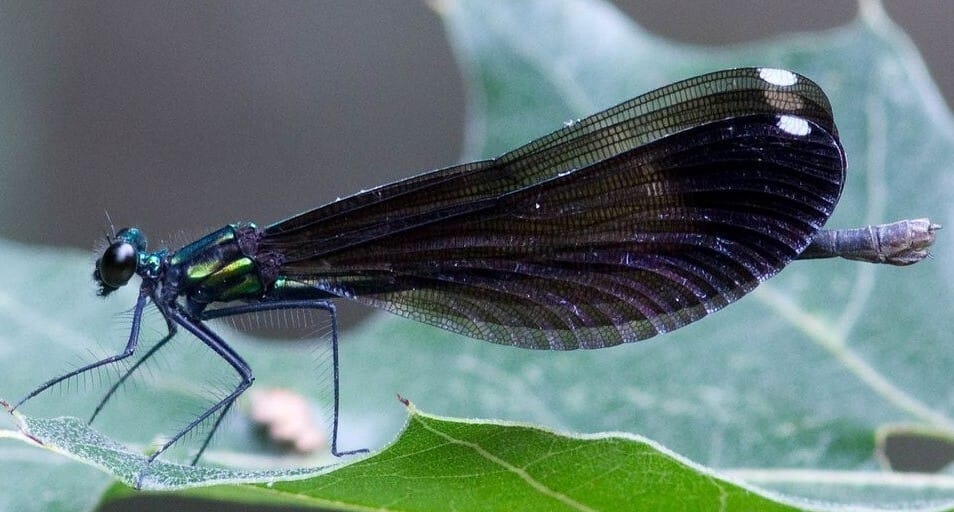
⏩FAST FACT
The most commonly seen dragonfly in the Smokies is the Common Green Darner—a fast, emerald-bodied predator you might spot gliding near ponds. For damselflies, look for the Ebony Jewelwing—a fairy-like beauty with shimmering green-blue wings often seen fluttering near streams.
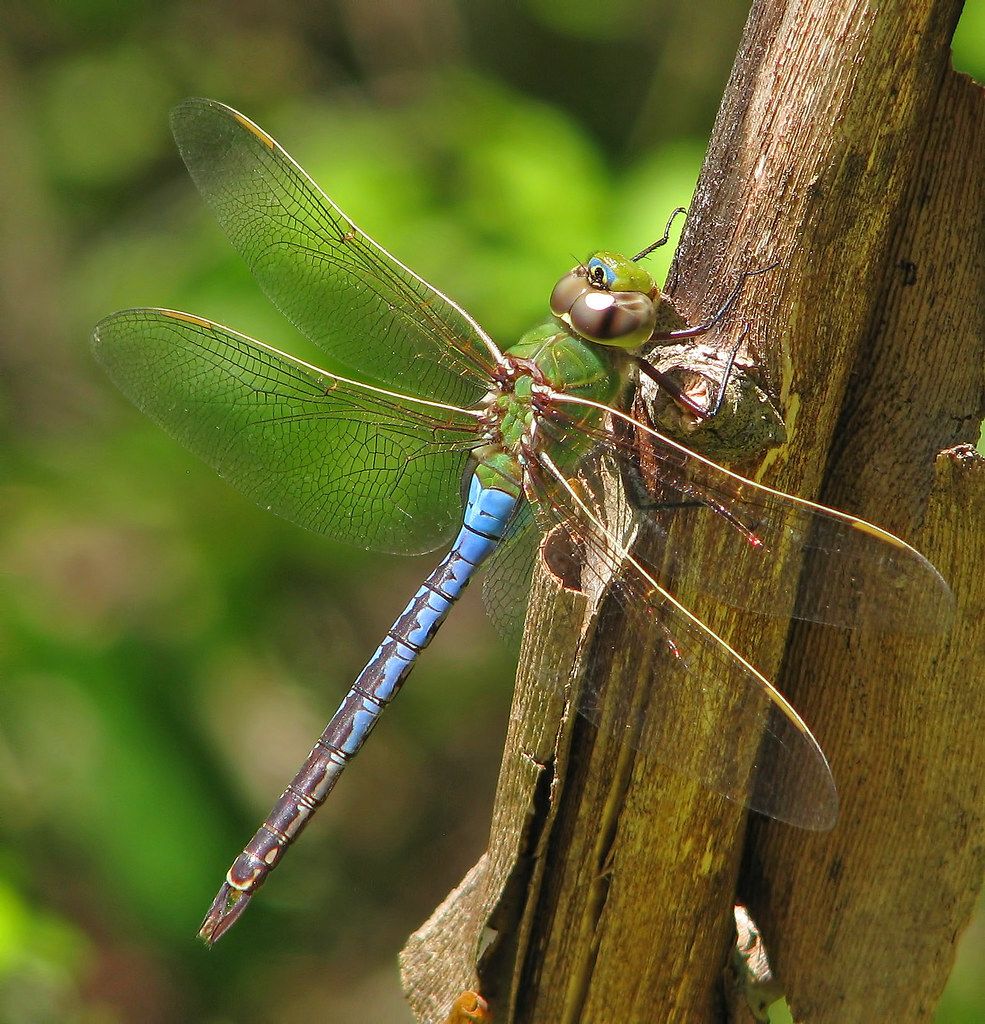
Common Green Darner Dragonfly Image: Flikr
💨ZOOMING THROUGH THE SKY
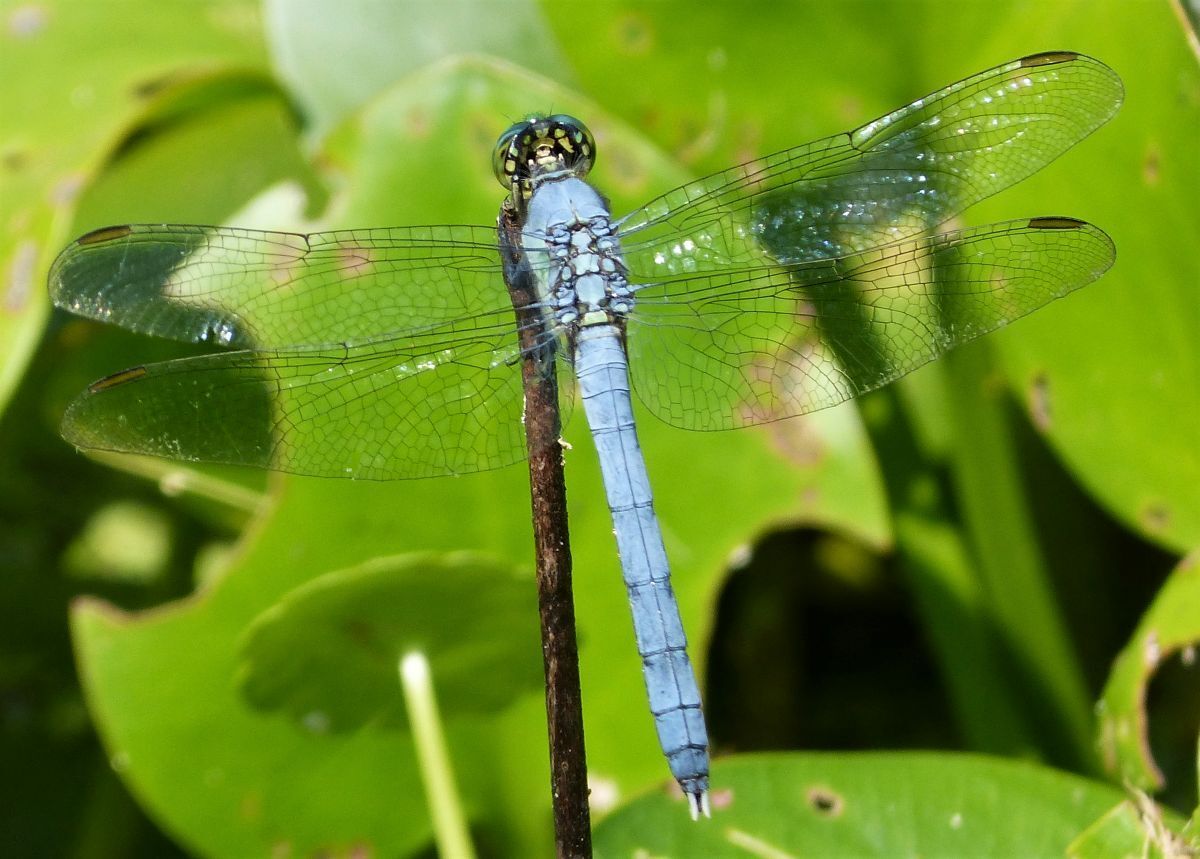
Male Eastern Pondhawk Dragonfly - Image: Wikimedia Commons
I've been fascinated by dragonflies for years! Eons ago, when we had a swimming pool, I remember lazy floats in the summer, holding out my hand, and dragonflies alighting there for several minutes. It thrilled me and mystified me at the same time.
They've been around since before the dinosaurs—creatures of speed, shimmer, and stealth. Dragonflies and damselflies are members of the Odonata order, meaning "toothed ones," referring to their fierce, spiked jaws. Though they don't bite humans, they do rule the insect skies.
So what's the difference?
Dragonflies hold their wings flat when resting. They have bulky bodies and fly fast and strong. Damselflies rest with their wings folded neatly over their backs, are more delicate, and flutter gracefully like aerial ballerinas.
Where They Live
Streams, lakes, bogs, and wet meadows in the Smokies are prime dragonfly real estate. Their larvae—called nymphs—live underwater, devouring mosquito larvae and other tiny prey for months (or even years!) before their final molt into flighted adults.
What They Eat
Adults are voracious aerial hunters, snatching midges, mosquitoes, flies, and gnats mid-flight with spiny legs. Some can consume their weight in prey every 30 minutes: Nature's own pest control, no pesticides needed.
A Love Story on the Wing
Mating is a true spectacle. A male clasps a female behind her head, and the pair forms a "heart" or "wheel" shape as they connect. Afterward, the female lays eggs in water or on plant stems. The cycle begins again—one of the oldest on Earth.
Why They Matter
Dragonflies and damselflies are ecological sentinels. Their presence indicates that the water is clean and the ecosystem is intact. Their absence? A warning sign of pollution or climate change.
Don’t miss the magic! Check out my pop-up shop for cool nature merchandise. Open https://smoky-mtn-nature-lady.printify.me in a new window.
📝WORD UP
A nymph is the aquatic juvenile stage of dragonflies and damselflies. Unlike caterpillars, these nymphs don’t spin cocoons. They live underwater, molting multiple times before emerging from their exoskeleton, ready to fly.
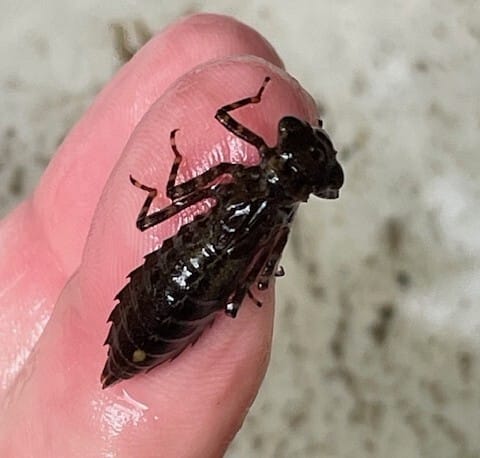
Dragonfly nymph! 👀
🏔️NATURE CHALLENGE: GO NATURAL & INVITE THE HUNTERS
Tired of bug spray every time you walk outside? Try the natural route. This month’s Nature Challenge is simple:
Skip the pesticides—these insects are sensitive to chemicals. Even a birdbath or marshy corner can attract adults on the wing. Let insect hunters do their job.
Add a shallow water feature or a small pond with aquatic plants like pickerelweed, water lilies, or cattails. Forget fish - they eat nymphs.
Set up a perch! A slender twig or bamboo stick or two by the water gives dragonflies a landing spot.
Snap a photo of your garden predator at work and tag it #OdonataOverwatch on social media. Let’s celebrate clean water and wild wings together!
Here are a few of my favorite dragonfly-related things . . .
A waterproof field guide for identifying dragonflies by color and wing shape is so helpful. I have this one and love it!
A solar-powered garden pond pump is a quiet and perfect addition to your birdbath or pond. I’ve been using these for a LONG time. Bonus: The moving water keeps mosquitoes from laying eggs.
An outdoor dragonfly flag is certainly not a necessity, but this one is beautiful.
A macro lens for your phone lets you zoom in on those compound eyes if a damselfly is still enough for you to snap a photo! Great for other closeups, too.
A great pair of binoculars with close focus is perfect for spotting perched dragonflies on your next Smokies hike or in your yard. I’ve recommended these before (I have them) because they have made a huge difference in my outdoor activities.
🍃CONSERVATION STATION
Guardians of the Water
Dragonflies and damselflies begin life as aquatic nymphs—tiny, leggy hunters that dwell in the shallows of creeks, ponds, and wetlands. They breathe through gills, stalk prey like mosquito larvae and tadpoles, and molt again and again before finally emerging to fly.
But here’s the catch: if the water isn’t clean, the magic never happens.
Runoff from yards, roads, and construction can cloud these waters with silt, pesticides, and fertilizers. Even subtle changes in pH, oxygen levels, or pollution can kill nymphs before they ever get their wings.
🌱 This month’s Nature Challenge: Become a Stream Steward.
• Pick up trash near creeks, ditches, or storm drains.
• Swap chemical fertilizers and weed killers for organic alternatives.
• Let a strip of your lawn grow wild to act as a buffer for runoff.
• Add a rain barrel or rain garden to slow the flow.
• Report signs of pollution or erosion to local watershed groups.
🐛 Want to do more? Become a Citizen Scientist!
Join a local stream monitoring team through programs like:
• Adopt-a-Stream
• iNaturalist – Upload photos of dragonflies and damselflies to help researchers track species distribution.
• Dragonfly Mercury Project (via the National Park Service) – Learn how dragonflies help track mercury contamination in high-mountain lakes like those in the Smokies!
🎥VIDEO CONNECTIONS
💬QUOTE-A-PALOOZA
Dragonflies are reminders that we are light and we can reflect light in powerful ways if we choose to do so.
— Robyn Nola
📖READ ALL ABOUT IT
Chasing Dragonflies: A Natural, Cultural, and Personal History is part nature guide, part personal story, and part quiet reflection. Cindy Crosby writes like she’s chatting with a friend, sharing facts about dragonflies, but also weaving in moments from her own life and how these little insects have been a part of it. If you like wandering near water or just sitting still and noticing the small things, you’ll probably love this book too. This book is on my very looooong TBR list, and I am looking forward to diving in. | 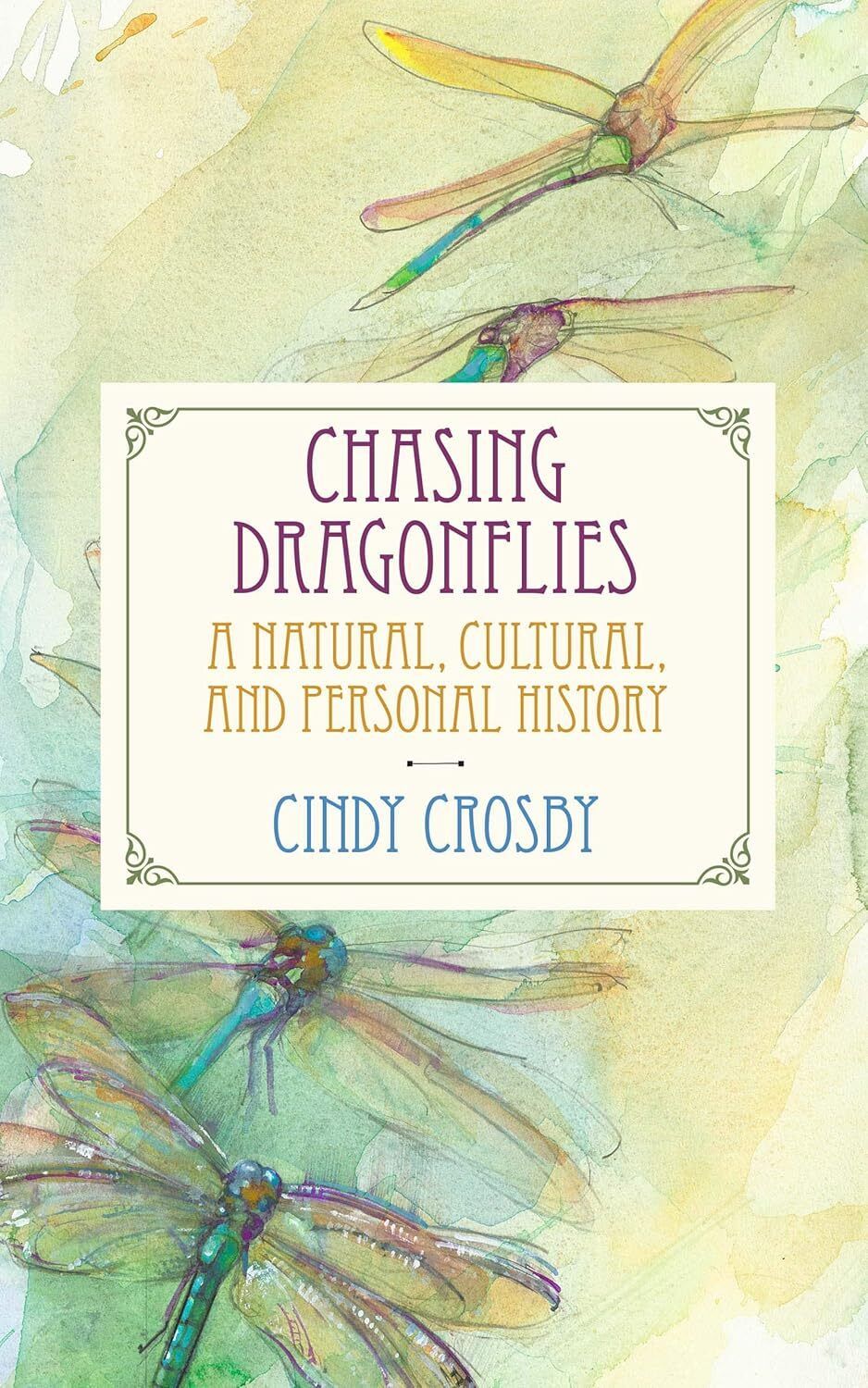 |
Keep your eyes peeled for these winged wonders this summer!

Was this fabulous newsletter from the Smoky Mountain Nature Lady forwarded to you? Join the nature community in the Smoky Mountains. Subscribe today!
Before you go . . .
If you purchase through my Amazon affiliate links, I may earn a small commission at no extra cost to you.
Reply