- Smoky Mountain Nature Lady News
- Posts
- Perennials vs. Annuals: Plant Once, Buzz Twice 🐝🌼
Perennials vs. Annuals: Plant Once, Buzz Twice 🐝🌼
October 1, 2025: Vol 1, Issue 7

Cindy Johnson
October 01, 2025
⏩FAST FACT
Some of the best spring blooms for pollinators start with seeds or roots tucked into cool fall soil. Hardy annuals can sprout, settle in over winter, and explode with nectar-rich color weeks earlier than spring-sown seeds.

Bachelor’s Buttons/Cornflower
🪻ANNUALS VS. PERENNIALS—WHICH TEAM ARE YOU ON?
I used to think the answer was either/or: plant annuals for instant color or perennials for “set it and forget it” (and saving $$). Turns out the real magic—for our eyes and our pollinators—is in the mix.
Here’s the simple breakdown:
ANNUALS (one season, big show):
Why plant them: Fast color, easy to change up, many are pollinator magnets.
Best in fall: “Hardy annuals” (not zinnias or marigolds—save those for spring). Fall sowing means earlier spring blooms.
Trade-offs: Need replanting each year; some require thinning.
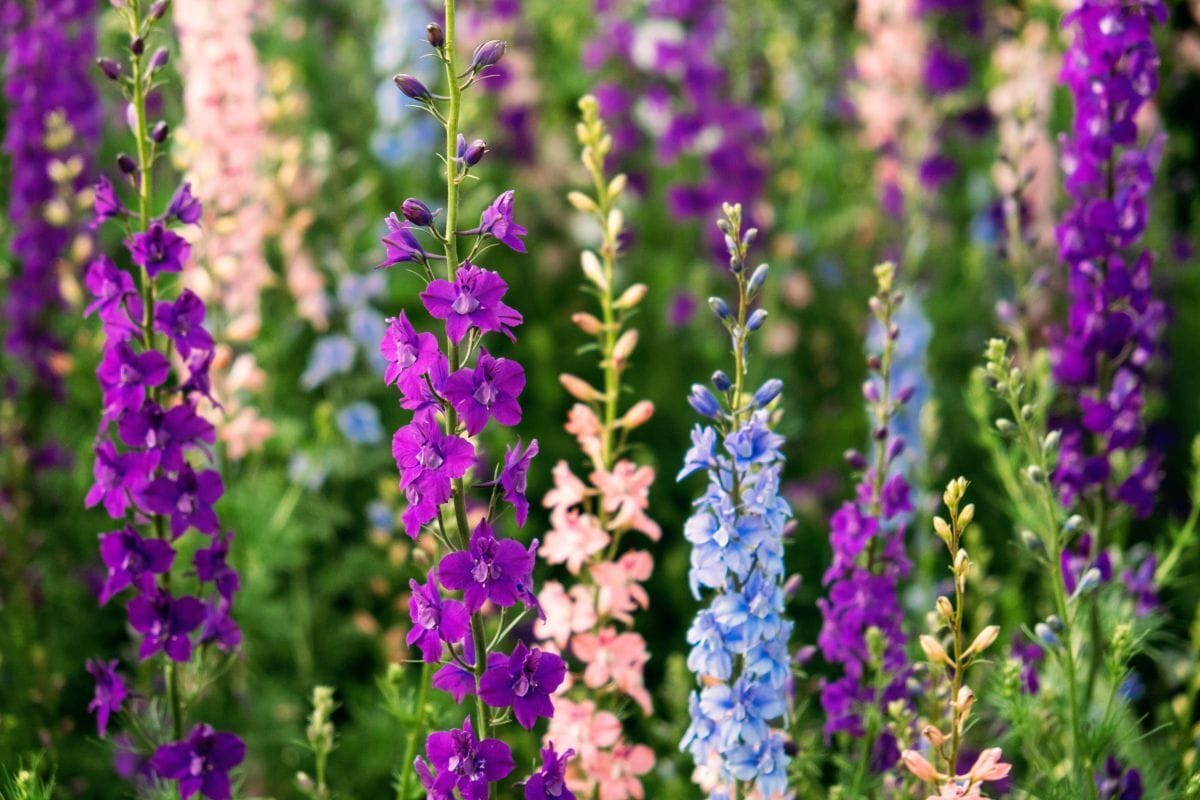
Larkspur/Delphinium
PERENNIALS (come back, build habitat):
Why plant them: Deep roots improve soil, reliable bloom cycles, shelter and food year after year.
Best in fall: Roots settle in while soils are warm and rains are kind. Plants wake up strong in spring.
Trade-offs: First-year blooms can be modest; spacing matters as they mature.
In the Smokies, our fall window is a gift—cool nights, gentle rains, and warm soil. If you’re aiming for a pollinator buffet next spring and summer, fall planting is your superpower.
🌸 TOP 3 ANNUALS TO SOW IN FALL (for spring blooms + happy pollinators)
Direct sow after first cool nights; protect with light mulch or a frost cloth if needed.
Larkspur (Consolida ajacis) – Early spikes the bees adore. Scatter where you want a meadow vibe. Self-seeds politely.
Bachelor’s Buttons / Cornflower (Centaurea cyanus) – Tough, cheerful, and rich in pollen. Great cut flower that keeps buzzing.
Calendula (Calendula officinalis) – Golden “pot marigold” that feeds bees on mild winter days and pops in early spring. Pinch to keep it blooming.
Runners-up: Love-in-a-Mist (Nigella), Sweet Alyssum (Lobularia), and Shirley Poppies (Papaver) for pollen-rich displays.
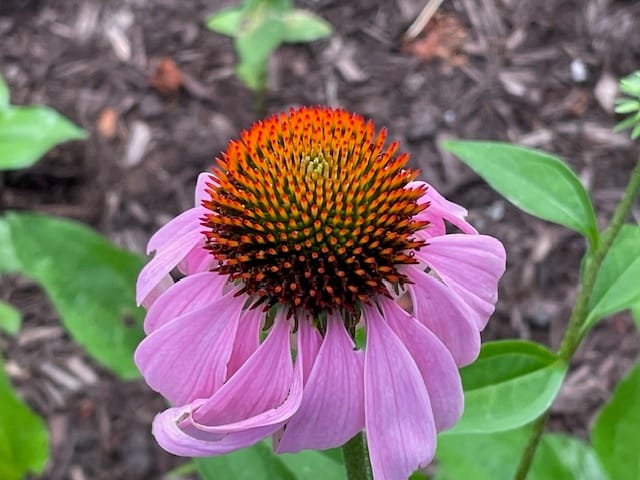
Purple Coneflower from My Yard
🌿 TOP 3 PERENNIALS TO PLANT IN FALL (for summer blooms + long-term habitat)
Plant now, water in well, and mulch. You’ll thank yourself in June.
Purple Coneflower (Echinacea purpurea) – Summer nectar for butterflies and bees; seed heads feed finches into winter.
Bee Balm (Monarda didyma or M. fistulosa) – Hummingbird magnet with minty leaves; bees line up for the tubular blooms.
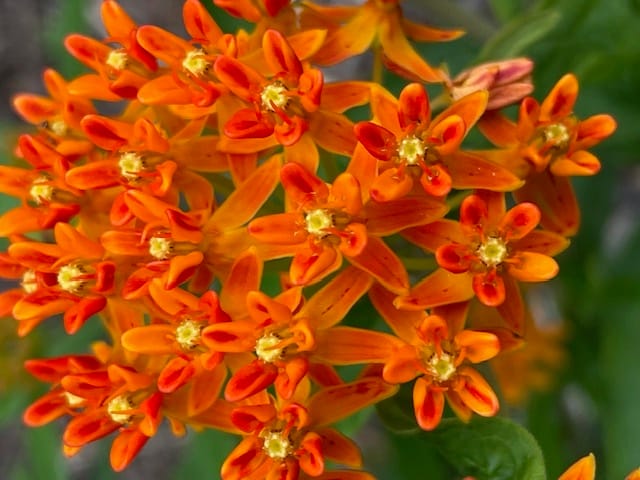
Butterfly Weed (Asclepias tuberosa) – A bright orange milkweed for monarchs; drought-tough, clay-tolerant, and adored by native bees.
Great additions: Black-eyed Susan (Rudbeckia), Blazing Star (Liatris), and native Asters for late-season forage.
ANNUALS + PERENNIALS: A SMART MIX
Stagger the buffet: Fall-sown hardy annuals open early; perennials carry the feast through summer and into fall.
Layer heights: Annuals fill gaps while young perennials bulk up.
Think “native first”: Choose native perennials when you can—better nutrition for local pollinators.
Check out my pop-up shop for fun nature merchandise - it’s almost gift-giving season! Open https://smoky-mtn-nature-lady.printify.me in a new window.
📝WORD UP
Hardy Annual – An annual that tolerates cool temps, can be sown in fall, overwinters as a seedling, and blooms weeks earlier than spring-sown seeds.
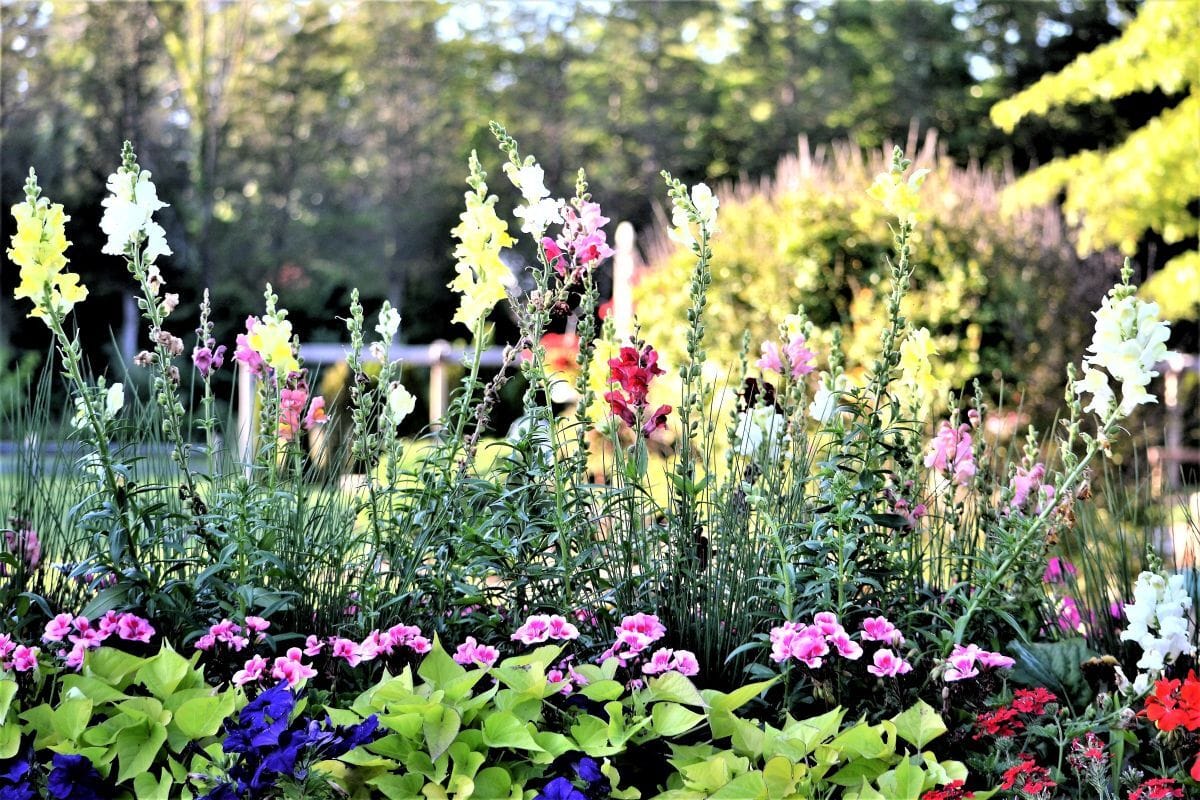
Layering lets you see all the different blooms.
🏔️NATURE CHALLENGE: SOW A “SUNRISE STRIP”
Designate a 2–3 ft wide strip along a fence, bed edge, or hell strip (the weird ribbon of grass between the sidewalk and curb. This week:
Loosen soil and rake smooth.
Mix larkspur + bachelor’s buttons + calendula seed with a cup of sand; broadcast.
Press seeds in with a board or your feet. Water once, then let the fall rains help. In the spring, you’ll have an early pollinator runway—no boarding pass required.
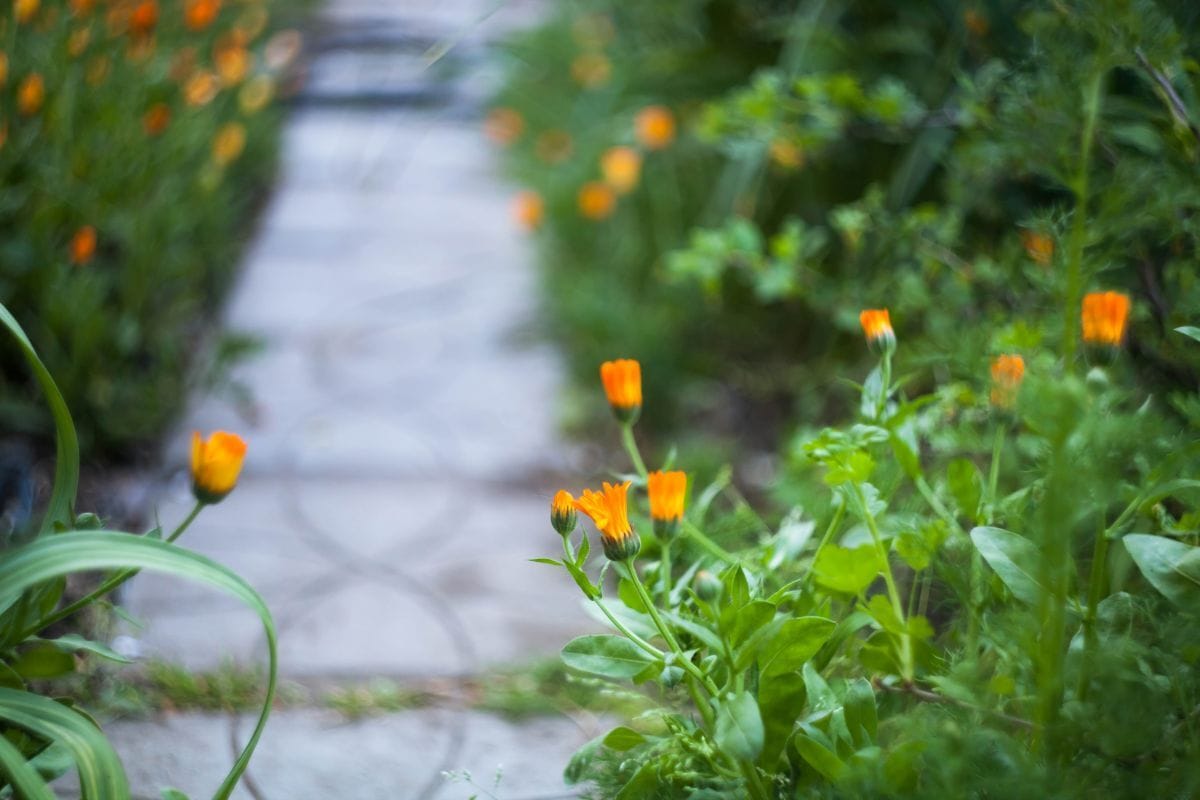
Flowers along a sidewalk make for a beautiful stroll.
🍃CONSERVATION STATION
Why Fall Matters for Pollinators
Root building > leaf building: Fall plantings focus energy below ground, creating resilient plants for next year’s nectar.
Early calories: Fall-sown annuals bloom sooner, giving bees and butterflies a badly needed spring breakfast.
Seed economy: Let a patch go to seed, and you’ll spend less each year while feeding birds all winter.
Small choices, big ripples.
🎥VIDEO CONNECTIONS
Great how-to video - a bit long but very helpful!
|

💬QUOTE-A-PALOOZA
In seed time learn, in harvest teach, in winter enjoy.
— William Blake
📖READ ALL ABOUT IT
If you’re ready to blend beauty with biodiversity, try Planting in a Post-Wild World by Thomas Rainer & Claudia West. It’s a practical, inspiring guide to designing plant communities that look gorgeous and work hard for wildlife.🌼 | 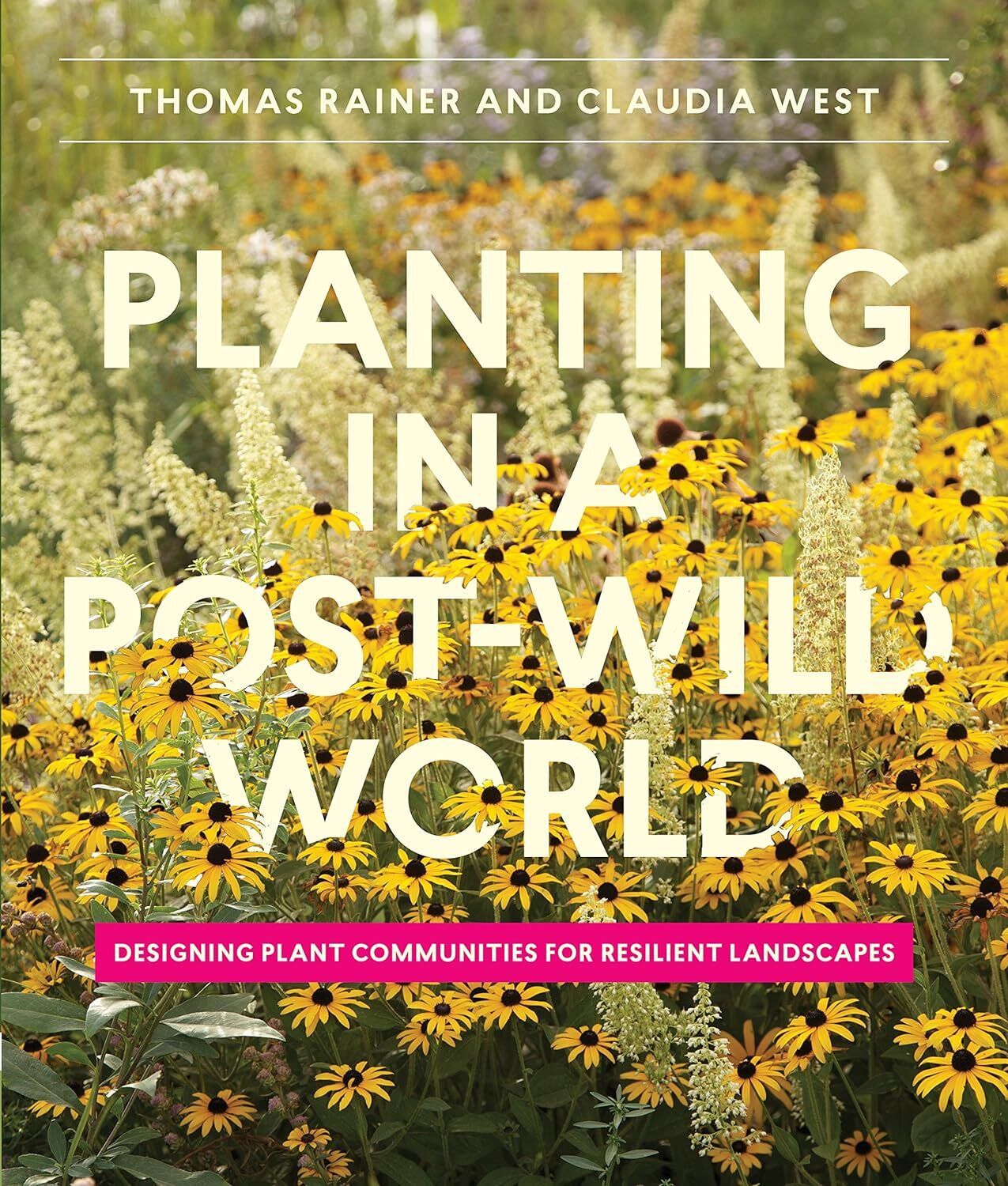 |
Until next time…
Here’s to planting smart in October so your garden hums with life come spring. May your beds be buzzing, your soil thriving, and your mornings full of wingbeats outside the window.

💌 Was this newsletter forwarded to you? Join my nature community in the Smoky Mountains and beyond.
Before you go . . .
Please forward to a nature-loving friend!
Reply