- Smoky Mountain Nature Lady News
- Posts
- Fall Garden Cleanup (or Not!) 🍂


⏩FAST FACT
Did you know that many butterflies, moths, bees, and even lightning bugs survive winter in dead leaves, hollow stems, and soil under "messy" garden beds? That "cleanup" you've been told to do every fall might just be disrupting entire life cycles. Leaving things alone might be the kindest thing you can do for your yard's wild residents.

Ladybug among the leaf litter.
🪻THE BEAUTY IN A BIT OF MESS
There was a time I tackled fall cleanup like a seasonal sport—raking every leaf, chopping down all the stalks, pruning, sweeping, bagging. It felt productive. It was neat and tidy. "Put the garden to bed," they said.
But then I learned something that stopped me in my tracks: every stem I cut down and every leaf I tossed was removing a home, food source, or shelter for something small but vital.
Now? I leave almost all of it—and my yard has never been healthier, or more alive.
Let's talk about why skipping the fall "clean sweep" might be the best decision you make all season.

Rake the lawn? Yes. Rake the garden? NO!
The Case for Letting Leaves Lie
Leaves don't need to be scooped, bagged, and hauled off. In fact, when left in garden beds, under shrubs, or beneath trees, they:
Act as natural mulch, subduing weeds and insulating plant roots.
Slowly decompose, feeding the soil with much-needed organic nutrients.
Provide habitat for caterpillars, lightning bugs, beetles, spiders, frogs, and more.
And get this—some species of butterflies (like the Mourning Cloak) overwinter as adults tucked right into those leaf piles. When you rake and bag them? You're throwing away their winter blanket.

Dying dahlias are not particularly attractive to us, but they hold appeal for critters of all sizes.
Don't Cut Back Everything Just Yet
Seed heads on coneflowers, black-eyed Susans, and goldenrod may look messy, but to hungry winter birds, they're a gourmet buffet.
Hollow stems left standing provide cozy tunnels for solitary bees. Native bees (who don't live in hives) lay eggs inside those tubes in late summer. Their babies overwinter in there until spring. If we chop the stalks too early, we're tossing out an entire generation.
Plus, there's nothing quite like the beauty of a garden sprinkled with frost, where snow settles softly on dried seed heads and tall grasses shimmer like silver threads.
A Few Things You Should Clean Up
Now, I'm not saying don't touch anything. A few cleanup tasks are helpful:
Remove diseased plants (especially in the veggie garden) to prevent future outbreaks.
Pull invasive species before they go to seed.
Harvest spent veggies and annuals that won't overwinter.
Compost responsibly, but avoid adding moldy or sick-looking foliage.
It's all about balance. I aim for "mindful untidiness."
Check out my pop-up shop for cool nature merchandise. Open https://smoky-mtn-nature-lady.printify.me in a new window. Great gift ideas for nature lovers!
📝WORD UP
Standing Dead – A plant that has finished its life cycle for the season and remains upright through fall and winter. While it might look "dead," it's swarming with life: shelter for insects, seeds for birds, and insulation for the soil.
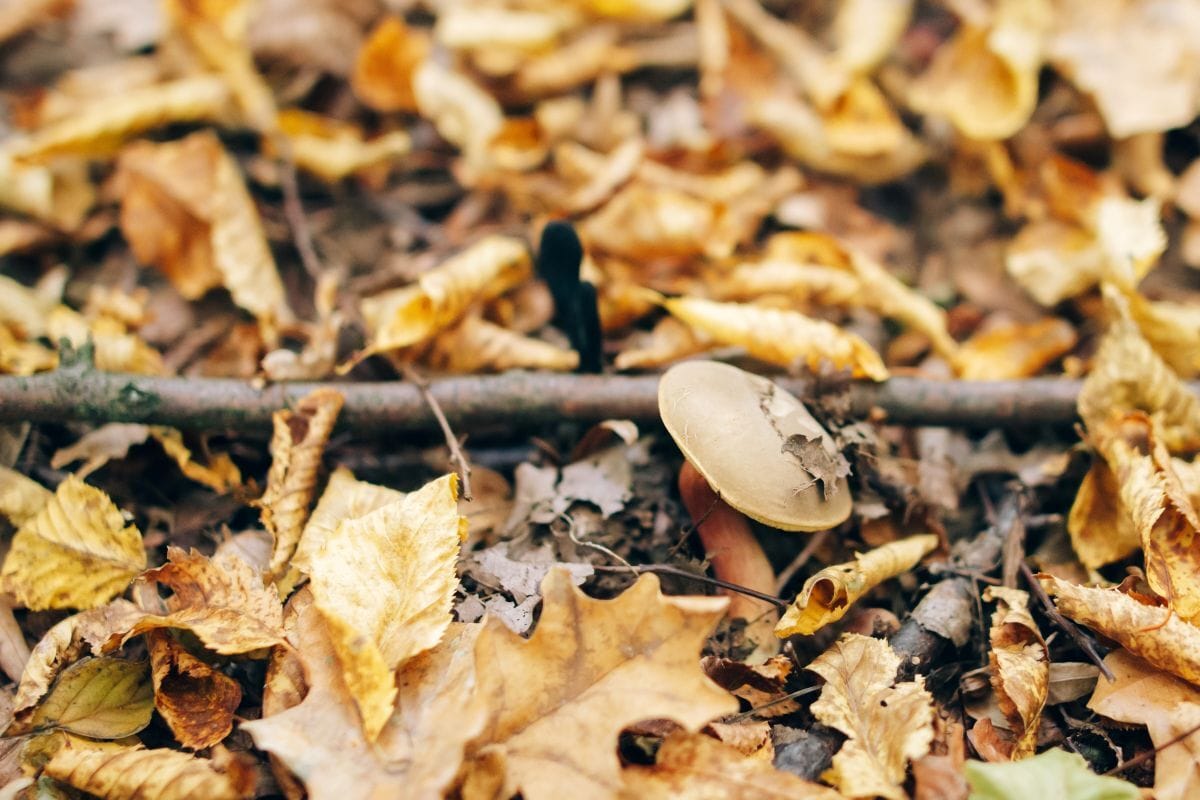
Fungi thrive in dead leaves.
🛍️A FEW OF MY FAVORITE FALL GARDEN THINGS
🍁 Leaf Scoops for Easy Mulching - Skip the marathon raking session—these hand scoops make moving leaves where you want them (in the garden) fast and easy.
🐝 Bee Habitat Bundle - Includes a stem bundle and a small bee house to offer shelter to overwintering native pollinators.
🍂 Pollinator Garden Sign - Let your neighbors know your "messy" garden is a sanctuary, not neglect!
📘 Bringing Nature Home by Doug Tallamy - An essential book for gardeners who want to support wildlife.

We enjoy the garden in spring and summer. Let the bugs enjoy it in fall and winter.
🏔️NATURE CHALLENGE: STAND TALL FOR THE WILDLIFE
This month's challenge is all about resistance—the good kind.
❌ Resist the urge to rake it all up.
❌ Resist the temptation to cut it all down.
✅ Leave a section of your garden wild.
Pick a corner—maybe near a shed or along a fence line—and declare it a wildlife sanctuary. Let the leaves pile. Let the stems stand. Let nature take care of itself.
Then, document the change! Snap a picture of your "wild corner" and keep it to remind yourself why you're doing it. Let's show the world that messy can be magical.

A pile of sticks can house all kinds of wildlife over the winter.
🍃CONSERVATION STATION
Wildlife Wins in Untidy Yards
Allowing your garden to "go" a bit in the fall isn't just good for critters—it's great for conservation.
Every leaf you don't bag keeps nutrients on-site. Every stem you leave up protects overwintering insects. Every decision to do less helps restore ecological balance—especially in developed areas where clean-cut yards have become the norm.
This fall, consider:
Leaving at least one-third of your garden standing until spring
Creating a "brush pile" from sticks and logs to give shelter to birds and small mammals
Mulching with shredded leaves instead of bark chips
Teaching a neighbor about why your yard looks the way it does
Every yard matters.
🎥VIDEO CONNECTIONS
💬QUOTE-A-PALOOZA
A garden is not a place. It's a journey.
— Monty Don
📖READ ALL ABOUT IT
If you've ever wondered how to create a yard that's both beautiful and beneficial to wildlife, The Humane Gardener: Nurturing a Backyard Habitat for Wildlife by Nancy Lawson is a game-changer. Nancy writes with heart, humor, and a hefty dose of practicality. She helps you see your yard through the eyes of the creatures who call it home. I read it with my nature journal nearby—so many ideas are worth noting!🌼 |  |
Until next time…
That's it for September! I hope this inspires you to view your fall garden in a new light. Sometimes the best way to care for nature is to take a step back—and let her do the work. Until next time, stay wild and wonder-filled.

💌 Was this newsletter forwarded to you? Join the nature community in the Smoky Mountains and beyond.
Before you go . . .
Please forward to a nature-loving friend!
Reply